Key Takeaways
- Inspect the roof, gutters, exterior walls, windows, doors, foundation, and outdoor structures at least once a year.
- Check HVAC equipment, water heaters, plumbing, electrical components, and ventilation systems for signs of wear or damage.
- Test smoke and carbon monoxide alarms and review fire extinguishers and emergency supplies regularly.
- Clean and inspect major appliances, especially those that can develop leaks, restricted airflow, or other safety issues.
- Look for insulation problems, air leaks, and other conditions that can increase energy use or reduce indoor comfort.
- Maintain landscaping, trees, drainage, and irrigation systems to help protect the home’s structure and exterior.
- Keep a maintenance calendar and records of repairs, inspections, and upcoming replacements to stay organized throughout the year.
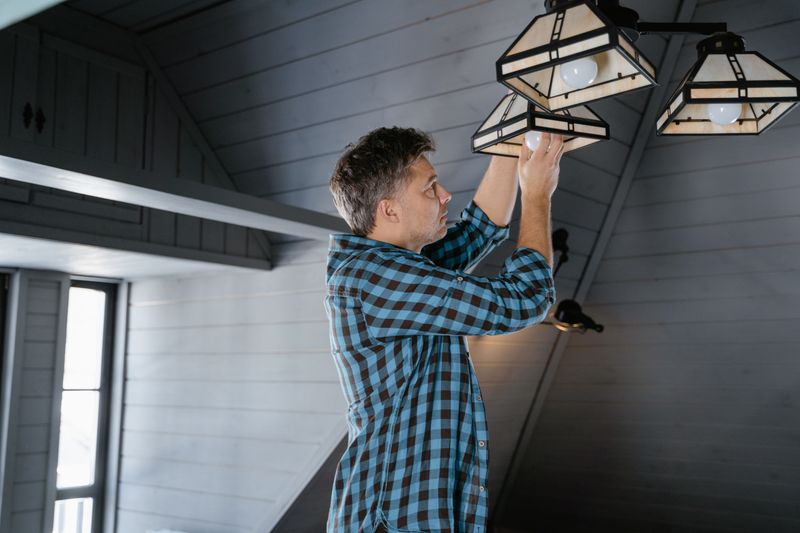
A home needs regular attention to stay safe, comfortable, and in good condition. While some maintenance tasks need to be handled immediately when problems appear, many can be planned and completed once or twice a year. Creating an annual checklist makes it easier to inspect important systems, identify minor problems, and address wear before it turns into expensive damage.
From checking the roof and cleaning gutters to testing safety devices and servicing heating and cooling equipment, these tasks cover the areas homeowners should not overlook. A yearly routine also helps protect the property’s appearance and long-term value. Whether you own a recently built house or an older property, a structured maintenance schedule can make homeownership more manageable.
Why Should You Follow a Yearly Maintenance Checklist?
Annual maintenance gives homeowners a practical way to stay ahead of repairs instead of waiting for something to fail. Small issues can be easy to overlook during everyday life, particularly when they do not immediately affect how a house looks or functions. A yearly inspection creates a dedicated opportunity to look at the property as a whole and identify problems that may otherwise remain unnoticed.
A checklist also makes maintenance easier to organize. Rather than trying to remember everything at once, homeowners can divide tasks by area, season, or system. This can make larger responsibilities feel more manageable and help ensure that important components receive attention.
Regular maintenance can help homeowners:
- Detect minor damage before it becomes more serious.
- Keep major home systems operating efficiently.
- Reduce the likelihood of unexpected repairs.
- Protect exterior surfaces from weather-related deterioration.
- Maintain indoor comfort and safety.
- Preserve the condition and functionality of the property.
An annual checklist should not replace immediate repairs or manufacturer-recommended servicing. Instead, it provides a framework for routine care and inspection throughout the year.
What Should You Check Outside the House?
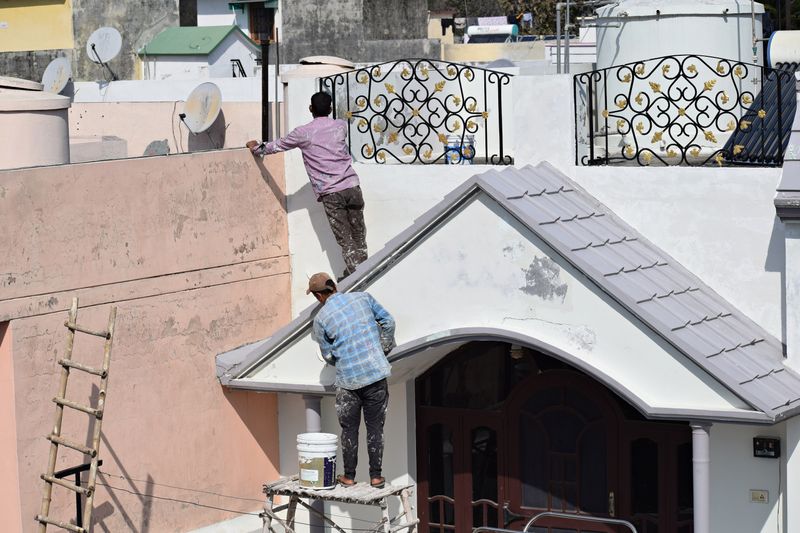
The exterior protects the interior from rain, sunlight, wind, pests, and changing temperatures. Because these surfaces are constantly exposed to the elements, deterioration can happen gradually. A crack, loose component, blocked drainage area, or damaged seal may seem insignificant at first but can eventually allow moisture to enter the structure.
Walk around the property at least once a year and examine the roof, gutters, walls, foundation, windows, doors, driveway, and outdoor structures. Look for changes from the previous year, including staining, cracking, peeling, warping, rust, or areas where water appears to collect.
1. Inspect the Roof
The roof is one of the home’s most important protective systems. Damaged shingles, tiles, flashing, seals, or other roofing materials can allow water to enter the attic or walls.
Look for missing, cracked, loose, or deteriorated roofing materials. Check areas around vents, chimneys, skylights, and other penetrations for signs of damage or water intrusion.
Homeowners should also consider their local climate when planning roof maintenance. In areas that experience heavy rain, strong winds, or intense sun exposure, regular inspections can be particularly important.
Knowing how to care for your roof can help you spot problems early and determine when professional inspection or repairs are necessary.
2. Clean and Inspect the Gutters
Gutters direct rainwater away from the roof and foundation. Leaves, dirt, twigs, and other debris can block water flow and cause overflow.
Clean the gutters and check downspouts for blockages. Make sure water is being directed far enough away from the foundation to prevent unnecessary moisture accumulation.
While cleaning, look for sagging sections, loose fasteners, rust, cracks, or separated joints. Damaged gutters may need repair or replacement rather than simply another cleaning.
3. Examine Exterior Walls and Siding
Inspect exterior walls for cracks, peeling paint, damaged siding, discoloration, or signs of moisture. Pay special attention to areas around windows, doors, rooflines, and joints.
Small cracks may be relatively simple to repair, but widening cracks or signs of structural movement warrant further evaluation. Moisture stains can also indicate a problem that needs to be traced to its source.
4. Check Windows and Exterior Doors
Examine window and door frames for cracks, damaged seals, deteriorated caulking, moisture damage, and difficulty opening or closing.
Weatherstripping and caulking can deteriorate over time. Replacing damaged seals can help prevent drafts and moisture intrusion while improving indoor comfort.
5. Inspect the Foundation and Drainage
Walk around the foundation and look for new cracks, standing water, soil erosion, or areas where drainage appears inadequate.
Water should generally move away from the house rather than collect beside its foundation. If the ground has shifted or landscaping now directs water toward the property, corrective work may be necessary.
6. Check Driveways, Walkways, and Outdoor Structures
Inspect concrete, paving, decks, fences, patios, sheds, and other outdoor structures for cracks, rot, loose boards, corrosion, or unstable components.
Repairing deterioration early can help prevent larger safety and structural problems. Pay particular attention to walking surfaces where uneven sections may create trip hazards.
Which Interior Systems Need Annual Attention?
The inside of a home contains numerous systems that operate throughout the year, often without attracting much attention. HVAC equipment, plumbing, electrical components, ventilation, appliances, and safety devices all contribute to the home’s daily performance. Because these systems can affect comfort and safety, they deserve more than a quick visual check.
Annual interior maintenance should combine simple homeowner inspections with professional service when a task involves specialized equipment or potential hazards. Homeowners should follow manufacturer instructions and local requirements for servicing major systems.
7. Service the HVAC System
Heating and cooling equipment should be inspected and maintained regularly to keep it operating properly. Dirty filters, blocked components, worn parts, and other problems can reduce performance.
Replace or clean filters according to the equipment manufacturer’s recommendations. Keep supply and return vents unobstructed and arrange professional servicing when required.
For older systems, an annual inspection can also help homeowners understand whether repairs, efficiency improvements, or eventual replacement should be considered.
8. Inspect the Water Heater
Check the water heater for visible leaks, corrosion, unusual noises, or other signs of trouble. Look around connections and the surrounding floor for evidence of water.
Professional servicing may be appropriate depending on the type of water heater. Follow the manufacturer’s maintenance instructions and address leaks promptly.
9. Check Plumbing Fixtures and Pipes
Check your plumbing fixtures regularly for dripping faucets, leaking pipes, running toilets, slow drains, or other signs of wear. Look inside cabinets under sinks for moisture, water marks, or musty odors that could indicate a hidden leak. It is also worth noting any sudden changes in water pressure or drainage speed, as these may signal an underlying plumbing problem that needs attention.
10. Test Smoke and Carbon Monoxide Alarms
Smoke and carbon monoxide alarms are critical safety devices. Test them according to the manufacturer’s instructions and replace batteries or the entire unit when required.
Check the installation dates because many alarms have recommended replacement periods. Make sure devices remain unobstructed and are installed in appropriate locations throughout the property.
11. Inspect Electrical Components
Inspect your electrical system for warning signs such as cracked outlets, wobbly switches, lights that flicker or dim unexpectedly, exposed wires, or excessive warmth near plugs and electrical fixtures.
Avoid handling electrical repairs that require specialized knowledge or equipment. If you notice any unusual behavior or visible damage, contact a licensed electrician to identify the problem and make the necessary repairs safely.
12. Clean or Replace Ventilation Filters
Homes may have filters associated with HVAC equipment, exhaust systems, air purifiers, or other ventilation components.
Check these filters and clean or replace them according to the manufacturer’s instructions. Maintaining clean filters can help systems operate properly and support better indoor air management.
13. Inspect Attic and Crawl Spaces
Attics and crawl spaces can reveal problems that are not visible from the main living areas. Look for moisture, mold-like growth, pest activity, damaged insulation, unusual odors, or signs of roof leaks.
Also check for ventilation problems and damaged ductwork where accessible. If you discover significant moisture or structural concerns, professional assessment may be appropriate.
What Appliances and Safety Features Should You Check?
Household appliances and safety equipment can gradually become less efficient or reliable as they age. Annual maintenance is an opportunity to inspect these items, clean them properly, and identify equipment that may need repair or replacement.
This does not mean every appliance needs professional servicing every year. Instead, homeowners should follow the maintenance schedules provided by manufacturers and perform simple inspections where appropriate.
14. Clean the Refrigerator and Check Its Seals
Clean refrigerator coils or other accessible components according to the manufacturer’s instructions. Inspect the door gasket to make sure it forms a proper seal.
A damaged gasket can allow cold air to escape and make the appliance work harder.
15. Clean the Dryer Vent
Lint accumulation in dryer vents can restrict airflow and create a serious fire hazard. Clean the lint filter after every load and inspect or professionally clean the vent system as recommended.
If clothes are taking longer than usual to dry, the vent may need attention.
16. Inspect Major Appliances
Check washing machines, dishwashers, ovens, ranges, garbage disposals, and other major appliances for leaks, unusual noises, damaged cords, or declining performance.
Cleaning filters, seals, and accessible components can help maintain proper operation. Replace appliances when repairs are no longer practical or when the equipment presents a safety concern.
17. Check Fire Extinguishers
If the home has fire extinguishers, inspect them according to the manufacturer’s instructions. Make sure they are accessible, properly stored, and within their service period.
Do not block extinguishers with furniture, boxes, or other household items.
18. Review Emergency Supplies
Check flashlights, batteries, first-aid supplies, emergency tools, and other essential items once a year.
Replace expired or depleted supplies and make sure household members know where emergency equipment is kept.
How Can You Maintain Energy Efficiency?
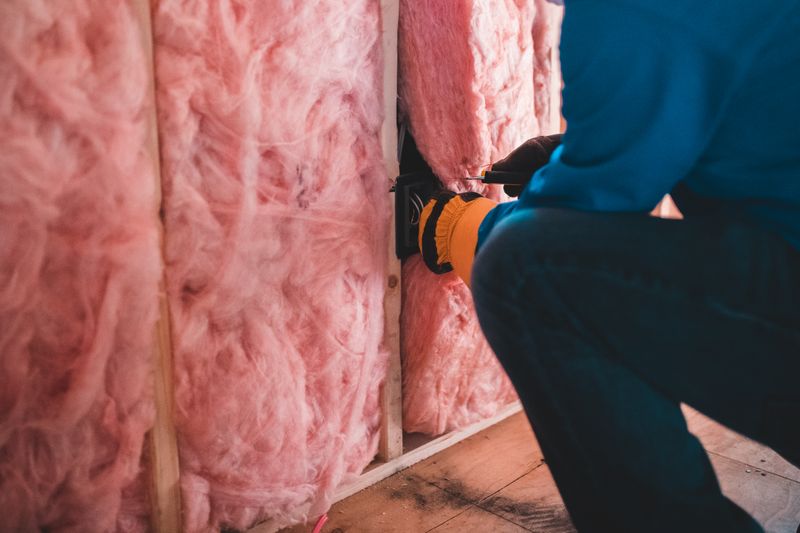
A home’s energy performance can change as materials age and equipment accumulates wear. Annual maintenance provides a useful opportunity to identify sources of energy waste and make small improvements.
Homeowners do not necessarily need to undertake major renovations. Simple measures such as repairing drafts, maintaining HVAC equipment, cleaning filters, and replacing inefficient lighting can support better energy performance.
19. Inspect Insulation
Check accessible insulation in attics and other areas for damage, moisture, displacement, or obvious gaps.
Insulation can lose effectiveness when it becomes wet or is installed incorrectly. Significant problems should be evaluated by a qualified professional.
20. Check for Air Leaks
Inspect areas around windows, doors, utility penetrations, vents, and other openings for noticeable drafts or deteriorated seals.
Caulking and weatherstripping may need replacement over time. Sealing appropriate gaps can improve comfort and reduce the amount of conditioned air escaping from the home.
21. Review Lighting and Appliances
Walk through the home and identify older lighting fixtures and appliances that consume significant energy.
Replacing bulbs with efficient alternatives and upgrading equipment when replacement is already necessary can gradually reduce household energy consumption. Newer systems may also include modern home features that make energy use easier to monitor and manage.
Which Tasks Should Be Done in the Yard?
Landscaping is often treated as a cosmetic responsibility, but it can also affect drainage, the foundation, exterior surfaces, and other parts of the property. Trees, shrubs, soil, and irrigation systems should therefore be included in an annual maintenance routine.
22. Trim Trees and Vegetation
Inspect trees and large branches near the house, roof, driveway, and utility lines. Remove dead or unstable growth when appropriate and have significant tree work handled by qualified professionals.
Keep vines and vegetation from growing against walls, roof structures, or other components where they could contribute to moisture or physical damage.
23. Inspect Drainage and Irrigation
Check outdoor drains, irrigation equipment, hoses, and drainage paths for leaks or blockages.
Make sure irrigation is not unnecessarily spraying walls, windows, foundations, or other vulnerable areas. Adjust watering patterns if they are contributing to erosion or standing water.
How Should You Plan Your Annual Maintenance?
A yearly checklist works best when it becomes part of a regular household routine rather than a once-a-year scramble. Trying to complete every task on one weekend can be overwhelming, and some maintenance activities are better suited to particular seasons.
Divide the checklist throughout the year based on weather, equipment requirements, and household schedules. Keep records of inspections, repairs, replacements, and professional services so you can track the property’s condition over time.
24. Review Repairs and Upcoming Replacements
Look back at the previous year’s maintenance records and identify components that are approaching the end of their expected service life.
This can include roofing materials, HVAC equipment, water heaters, appliances, exterior finishes, windows, and other major components. Planning ahead gives homeowners more time to research options and budget for larger expenses.
25. Create a Home Maintenance Calendar
Turn the checklist into a recurring calendar. Assign tasks to specific months or seasons and note when professional inspections or servicing are due.
A simple schedule might include:
- Spring: Inspect the roof, gutters, exterior walls, drainage, and landscaping after harsh weather.
- Summer: Check cooling equipment, outdoor structures, irrigation, and exterior finishes.
- Fall: Clean gutters, inspect doors and windows, review heating systems, and prepare outdoor areas.
- Winter: Monitor for leaks, plumbing concerns, indoor moisture, and heating problems.
The exact timing should be adapted to the home’s climate and local weather patterns. Manufacturer recommendations should also take priority for equipment-specific maintenance.
What Happens If You Skip Annual Maintenance?
Skipping maintenance does not necessarily cause an immediate problem, but it can make small issues harder to detect. A minor gutter blockage can contribute to water overflow, a worn seal can allow moisture inside, and an aging appliance can become less reliable without warning.
Regular maintenance is ultimately about managing risk. It gives homeowners opportunities to spot deterioration before it affects larger systems or becomes more expensive to correct.
A checklist also makes it easier to distinguish between routine maintenance and problems that require professional attention. When something unusual appears, homeowners can document it and arrange an appropriate inspection rather than ignoring it.
Final Thoughts
A well-maintained home does not happen by accident. Regular inspections and timely repairs help protect the structure, systems, safety equipment, and outdoor areas that homeowners rely on every day. By working through an annual checklist, it becomes easier to identify wear, manage upcoming expenses, and prevent minor issues from becoming major disruptions.
The most effective approach is to spread these tasks throughout the year and keep simple records of what has been inspected, repaired, or replaced. Not every property will require exactly the same maintenance, but a consistent routine provides a reliable foundation for protecting the home’s condition, comfort, and long-term performance.
