If you ask most homeowners what increases property value, you’ll hear answers like renovations, new appliances, or updated finishes. But what often gets overlooked is the quiet, ongoing work that keeps a home functioning properly: preventative maintenance. It’s not flashy, and it rarely gets attention until something breaks—but it plays a massive role in protecting and growing your home’s value over time.
Preventive maintenance is about staying ahead of problems instead of reacting to them. It means catching small issues before they become expensive repairs, maintaining systems so they last longer, and ensuring your home remains safe, efficient, and appealing to future buyers.
This guide walks through practical, real-world ways to maintain and improve your home’s value through consistent care—inside and out.
Schedule Regular HVAC Inspections to Avoid System Failures
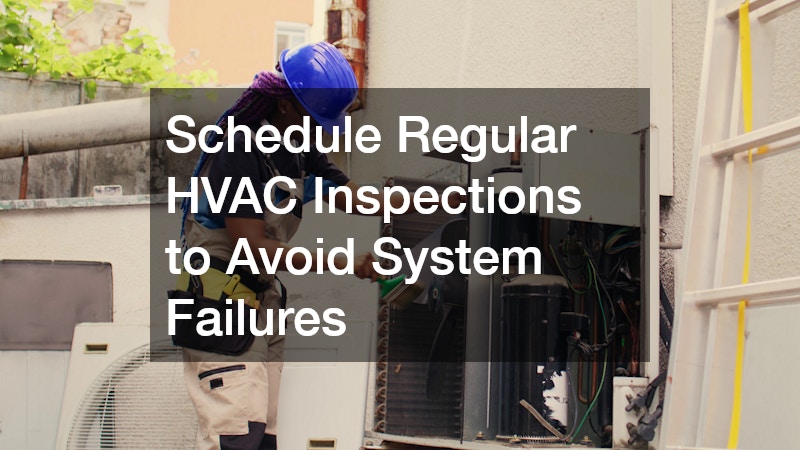
A home’s comfort system is one of the first things buyers notice—and one of the fastest ways to lose value if it’s neglected. Heating and cooling systems don’t typically fail overnight; they degrade gradually, often showing subtle warning signs that are easy to ignore.
Working with a reliable HVAC company allows you to stay ahead of these issues. Routine inspections can uncover problems like clogged filters, worn components, or inefficient airflow long before they lead to system failure. Over time, these small fixes can extend the lifespan of your system by years.
There’s also a hidden layer many homeowners overlook: electrical integrity. HVAC systems rely heavily on proper wiring, especially with modern thermostats and smart controls. That’s where an electrician may come in, particularly if you’re upgrading systems or noticing irregular performance.
A simple seasonal rhythm can make a huge difference:
- Spring: cooling system check and filter replacement
- Fall: heating system inspection and safety testing
- Mid-season: quick visual check for unusual sounds or airflow issues
Imagine a buyer walking into your home during peak summer. If the air is cool, consistent, and quiet, it signals that the home has been cared for. If not, it raises immediate concerns—and potential negotiation points.
Install Backup Power Solutions Before Emergencies Hit
Power outages aren’t just inconvenient—they can cause lasting damage. Refrigerators fail, sump pumps stop working, and security systems go offline. In areas prone to storms or grid instability, having a backup power plan is more than a luxury—it’s a value-adding feature.
Installing a generator ensures your home remains functional during outages. Buyers increasingly see this as a premium upgrade, especially in regions where outages are common.
There are two main approaches:
- Portable units for short-term, limited use
- Whole-home systems that automatically activate during outages
The installation process isn’t something to DIY. A licensed electrician ensures the system integrates safely with your home’s electrical panel, avoiding overloads or fire risks.
Beyond installation, maintenance matters. A generator that hasn’t been tested in years won’t provide much reassurance. Regular testing, fuel checks, and system inspections keep it ready when needed.
Picture a scenario where two similar homes are on the market. One has a documented, well-maintained backup system. The other doesn’t. In uncertain conditions, that single feature can tip the scale.
Maintain Trees and Landscaping to Prevent Property Damage
Landscaping does more than improve curb appeal—it directly impacts the structural health of your home. Overgrown trees, unstable branches, and invasive roots can quietly cause significant damage.
A certified arborist can assess tree health, identify risks, and recommend trimming or removal before problems arise. This is especially important for trees near the home, where branches can scrape roofing materials or fall during storms.
Fencing also plays a role in both aesthetics and protection. A vinyl fence, for example, offers durability with minimal maintenance, but it still requires periodic checks. Leaning posts, loose panels, or encroaching roots can weaken its structure over time.
Think about the long-term effects of neglect:
- Tree limbs damaging shingles or gutters
- Roots cracking walkways or foundations
- Fencing is becoming unstable or unsightly
Preventative yard care isn’t just about keeping things tidy—it’s about reducing risk. A well-maintained exterior signals to buyers that the home has been consistently cared for, not just cosmetically improved before listing.
Upgrade Window Treatments for Energy Efficiency and Appeal
Window treatments are often treated as purely decorative, but they play a significant role in energy efficiency, comfort, and overall home value.
Shades offer flexibility and simplicity, allowing you to control light and heat throughout the day. Plantation shutters, on the other hand, provide a more permanent, upscale look while offering excellent insulation benefits.
Choosing the right option depends on how each room is used. Bedrooms may benefit from light-blocking designs, while living spaces might prioritize adjustable lighting and airflow.
Over time, sun exposure can fade flooring, furniture, and wall finishes. Proper window coverings help prevent this kind of damage, preserving the interior condition of your home.
Maintenance is straightforward but important:
- Regular dusting to prevent buildup
- Checking for wear in cords or mechanisms
- Adjusting alignment to ensure proper function
From a buyer’s perspective, updated and well-maintained window treatments suggest attention to detail. They also hint at lower energy costs, which can be a subtle but powerful selling point.
Address Roof Issues Early to Avoid Structural Damage
The roof is one of the most critical—and expensive—components of a home. Yet many homeowners only think about it when there’s a visible leak.
Routine inspections by roofing contractors can catch early signs of damage, such as loose shingles, minor leaks, or weakened flashing. Addressing these issues early prevents them from escalating into major repairs.
One of the biggest risks tied to roof problems is moisture intrusion. Even a small leak can create the perfect environment for mold growth. In more serious cases, a black mold inspector may be needed to assess hidden damage behind walls or ceilings.
A proactive approach might include:
- Annual roof inspections
- Clearing debris from gutters and valleys
- Checking attic spaces for signs of moisture
Consider how a buyer evaluates a home. A recently inspected and maintained roof provides peace of mind. A questionable one raises immediate concerns—and often leads to price reductions or delayed sales.
Keep Your Garage Door System Safe and Functional
The garage door is one of the most frequently used moving parts in a home, yet it’s often overlooked until it stops working.
A malfunctioning garage door can affect both safety and convenience. It may also signal broader maintenance neglect to potential buyers.
Routine upkeep doesn’t have to be complicated. Simple steps like lubricating moving parts, checking alignment, and testing safety sensors can prevent larger issues.
When electrical components are involved—such as openers or control systems—an electrician can ensure everything is functioning safely and efficiently.
You might not think of your garage door as a value driver, but buyers notice when it operates smoothly and quietly. It’s one of those subtle details that contribute to an overall impression of quality.
Prevent Moisture Issues That Lead to Mold Growth
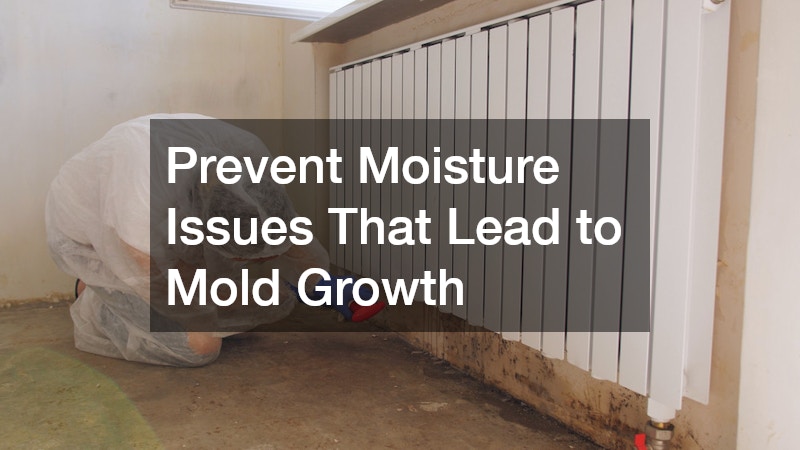
Moisture is one of the most persistent threats to a home’s value. It often starts quietly—condensation on windows, a faint musty smell, or slight discoloration on walls.
Left unchecked, these small signs can develop into serious problems. Mold not only damages materials but also raises health concerns, which can significantly impact resale value.
An HVAC company can help improve airflow and regulate humidity levels, reducing the likelihood of moisture buildup. In cases where mold is suspected, a black mold inspector can identify the extent of the issue and recommend solutions.
Prevention is always easier than remediation. Simple steps like sealing leaks, improving ventilation, and using dehumidifiers can make a noticeable difference.
Think of moisture control as an invisible layer of protection. When done well, it goes unnoticed—but it preserves the integrity of your home in ways that buyers will appreciate, even if they don’t immediately recognize it.
Reinforce Outdoor Structures to Extend Their Lifespan
Outdoor features are constantly exposed to the elements, which makes them particularly vulnerable to wear and tear. Over time, even durable materials can degrade without proper care.
A vinyl fence, while low-maintenance, still benefits from periodic cleaning and inspection. Checking for loose sections or minor damage can prevent larger structural issues.
Nearby trees can also impact these structures. A certified arborist can identify potential risks, such as roots pushing against posts or branches, causing damage during storms.
This section of maintenance is less about immediate fixes and more about long-term preservation. By reinforcing and maintaining outdoor elements, you ensure they continue to add value rather than detract from it. For example, something as simple as tightening hardware on a fence gate or re-leveling a slightly leaning post can prevent a full replacement later. These small actions preserve both appearance and function, which are equally important when it comes to perceived home value.
Improve Electrical Safety and Efficiency Throughout the Home
Electrical systems are often out of sight, which makes them easy to forget—but they play a critical role in both safety and functionality.
An electrician can evaluate your home’s system, identifying outdated components, overloaded circuits, or inefficiencies. These issues not only pose risks but can also reduce the appeal of your home to buyers.
Integrating a generator into your electrical setup is another way to enhance reliability and value. It shows foresight and preparedness, qualities that resonate strongly with modern buyers.
Upgrades don’t always have to be extensive. Even small improvements, like updating fixtures or optimizing energy use, can contribute to a more efficient and attractive home. For instance, replacing outdated outlets, installing surge protection, or upgrading a panel can make a home feel significantly more modern and safe without a major renovation.
Combine Preventive Maintenance Into a Year-Round Plan
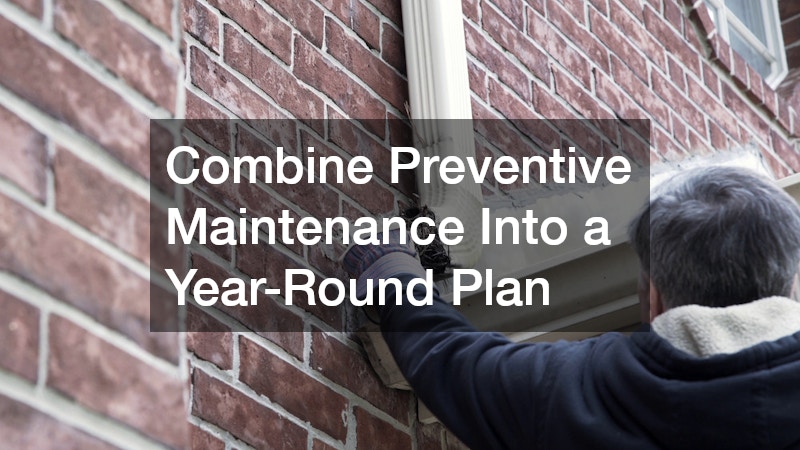
Preventative maintenance becomes far more effective when it’s consistent. Instead of reacting to problems as they arise, a structured plan allows you to stay ahead of them.
This doesn’t mean creating a rigid, overwhelming schedule. It can be as simple as aligning tasks with the seasons:
- Spring: inspect exterior elements and prepare cooling systems
- Summer: focus on landscaping and outdoor structures
- Fall: check roofing contractors’ recommendations and prepare heating systems
- Winter: maintain interior elements like shades and monitor for drafts
Over time, this rhythm becomes second nature. You begin to notice small changes before they become problems, and maintenance feels less like a chore and more like a habit.
Many homeowners find it helpful to keep a simple checklist or digital reminder system. Even jotting down notes after each inspection—what was fixed, what might need attention later—can create a clear history of care. This record becomes incredibly valuable if you ever decide to sell, as it demonstrates consistent upkeep rather than last-minute fixes.
Building Long-Term Value Through Consistent Home Care
Improving home value doesn’t always require major renovations or expensive upgrades. Often, it’s the steady, consistent effort of maintaining what you already have that makes the biggest difference.
Preventative maintenance protects your investment, reduces long-term costs, and creates a home that feels reliable and well cared for. Over time, these small actions compound. A well-maintained HVAC system lasts longer. A properly cared-for roof avoids costly replacements. Thoughtfully managed landscaping prevents structural damage.
There’s also a psychological component. When you stay on top of maintenance, your home feels easier to live in. There are fewer surprises, fewer emergencies, and a greater sense of control. That experience translates directly into how others perceive the property as well.
If you ever decide to sell, buyers can sense the difference between a home that has been consistently maintained and one that has been quickly patched together for listing. Smooth systems, clean structures, and a lack of visible issues all contribute to confidence—and confidence often leads to stronger offers.
Start with one area. Build a simple routine. Then expand gradually. Over time, those efforts won’t just maintain your home—they’ll actively increase its value in ways that are both practical and lasting.
