
The sudden sound of water rushing onto your hardwood floor or a kitchen sink that stubbornly refuses to drain can ruin a weekend in seconds. For most homeowners, the residential infrastructure functions as an invisible luxury. Plumbing systems operate silently behind drywall, beneath floorboards, and deep within the foundation, leading to a dangerous out of sight, out of mind mentality until a major failure occurs.
The reality of residential property management is that the vast majority of household plumbing emergencies are entirely preventable. They do not stem from spontaneous structural failures but rather from the cumulative effects of minor everyday habits and neglected maintenance. Water is a powerful force, and even a tiny, unaddressed leak or a slow-clearing drain can eventually cause thousands of dollars in structural rot, toxic mold growth, and ruined personal property.
By shifting from a reactive mindset to a proactive stance, you can take complete control of your home’s water health. This deep-dive guide provides actionable, step-by-step strategies designed to protect your home’s pipes, safeguard your critical appliances, and optimize your drainage fixtures. Implementing these straightforward preventative steps will save you immense stress, keep your household running smoothly, and protect your hard-earned finances from premature system replacements.
1. Master Your Kitchen Sink Habits to Avoid Major Blockages
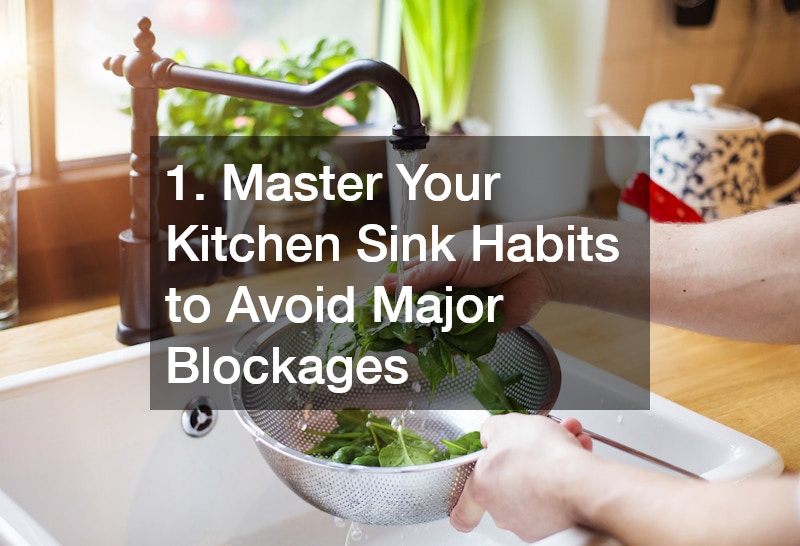
The kitchen sink is arguably the hardest-working plumbing fixture in any modern household. Because it handles everything from food preparation to dishwashing, it is also the most frequent site of stubborn, inconvenient drainage blockages. Maintaining pristine flow through this area requires strict adherence to waste-disposal protocols.
Actionable Tips for Kitchen Lines:
-
Enforce the absolute ban on grease: Never pour fats, cooking oils, or melted butter down the drain. Collect these substances in an old glass jar or tin can, allow them to solidify, and discard them directly into the trash receptacle.
-
Optimize garbage disposal operation: Always run a strong stream of cold water for thirty seconds before, during, and after grinding soft food scraps. The cold water solidifies any lingering traces of grease, allowing the disposal blades to chop them into fine particles that can easily pass through the P-trap.
-
Install high-quality mesh strainers: Place stainless steel or silicone mesh strainers over every sink drain opening to catch rogue food particles, coffee grounds, and stray vegetable peelings before they can slide past the sink flange.
Over time, organic matter introduced into your plumbing system undergoes chemical transformations, bonding with mineral deposits in your water to form an impenetrable, rock-hard sludge deep within your waste piping. When homeowners routinely dump fibrous foods like celery, potato peels, or starchy pasta down the drain, these materials wrap around existing obstructions inside clogged drain lines. Once the interior diameter of a pipe is restricted, wastewater slows down, accelerating the accumulation of additional debris. Instead of ignoring a sluggish sink, employing a local drain cleaning service at the first sign of slow movement will thoroughly clear the inner walls of the pipe, preventing a minor annoyance from evolving into a completely stopped wastewater system.
2. Maintain Your Waste-Handling Devices Safely
Your home relies heavily on automated appliances to handle water distribution and waste disposal. Dishwashers, ice makers, and garbage disposals are incredibly convenient, but they require periodic internal sanitation and mechanical checks to prevent catastrophic water backups or hidden, slow-moving leaks.
Actionable Tips for Appliance Maintenance:
-
Clean your dishwasher filter monthly: Locate the fine mesh cylinder basket at the very bottom of the dishwasher tub. Unscrew it and scrub away the slippery film of accumulated food debris and soap scum using a stiff nylon brush and warm soapy water.
-
Inspect rear water supply lines: Pull your refrigerator and dishwasher away from the cabinetry every year to inspect the flexible water lines. Replace cheap plastic hoses with durable, braided stainless steel supply lines to prevent sudden line bursts.
-
Conduct a routine vinegar flush: Run your dishwasher and washing machine through an empty, heavy-duty cycle using two cups of white distilled vinegar instead of detergent to dissolve mineral scaling and calcification.
Failing to maintain the internal cleanliness of these units creates a double hazard: it compromises food hygiene and places undue backpressure on the household drain network. If a dishwasher pump is forced to push wastewater through an accumulation of calcified grime and food debris, the motor will burn out prematurely, or worse, the unit will overflow directly onto your kitchen floorboards. When your primary appliances show signs of poor draining, it is unwise to ignore the issue. Seeking a certified kitchen appliance repair service will quickly restore proper mechanical function. Furthermore, scheduling professional kitchen equipment cleaning services ensures that the intricate internal pump housings and check valves are kept completely pristine, safeguarding your home against unexpected water damage and premature appliance failure.
3. Protect Bathroom Drains from Hair and Mineral Buildup
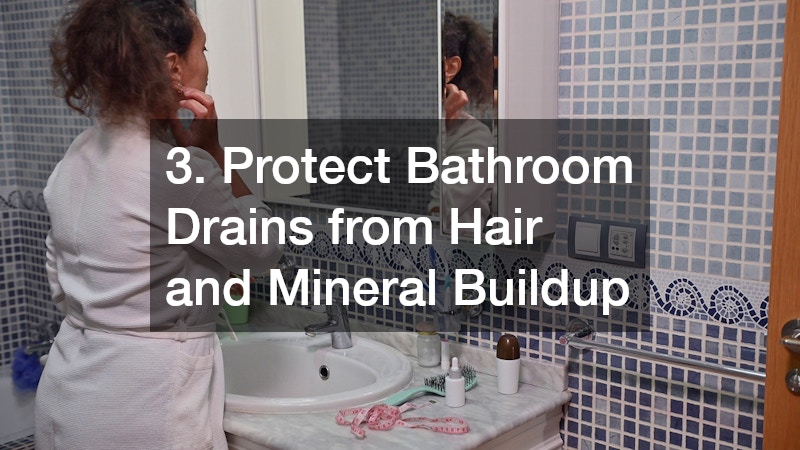
Bathroom drains face a unique set of challenges compared to kitchen lines. Instead of food and grease, bathroom fixtures are subjected to a constant barrage of human hair, pet dander, shaving cream, and thick personal care products that easily bind together inside the pipes.
Actionable Tips for Bathroom Fixtures:
-
Use dedicated hair catchers: Install silicone or stainless steel drain guards over all shower and bathtub drains. These inexpensive devices catch hair at the surface level, allowing you to lift and clear the debris after every shower.
-
Perform a weekly hot water flush: Pour a large kettle of boiling water directly down your bathroom sink and shower drains once a week to dissolve fresh soap scum and melting body oils before they harden against the pipe walls.
-
Manually clean pop-up stoppers: Unscrew the bathroom sink mechanical stoppers every six months. You will likely find a clump of hair and black slime clinging to the rod mechanism; wipe this clean and rinse thoroughly before reinstalling.
The physics behind bathroom blockages is simple yet destructive. Long strands of hair act as a structural mesh inside the P-trap, catching soap scum, dead skin cells, and cosmetic clays to form an impenetrable barrier. As this mass grows, it slows down the draining process, leaving standing water in your tub or basin. When a home suffers from systemic bathroom slow-drains, resorting to harsh chemical openers can permanently erode your pipes. Instead, investing in professional drain cleaning services is the safest way to clear the entire run of pipe without risking structural integrity. Entrusting your home to a licensed plumbing company ensures that advanced diagnostic cameras and specialized mechanical snakes are used to safely remove the deepest blockages, restoring optimal flow to your entire bathroom suite.
4. Implement Proactive Exterior Infrastructure Checks
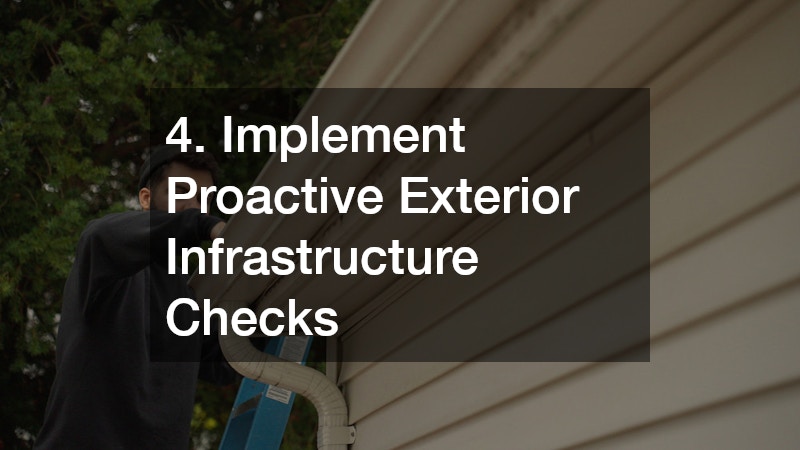
While it is easy to focus your maintenance efforts on the fixtures you see every day, the infrastructure extending outside your home’s foundation is equally critical. Exterior drains, main sewer laterals, and outdoor spigots bear the brunt of changing seasonal weather and natural subterranean shifts.
Actionable Tips for Outdoor Management:
-
Locate and test the main water shutoff: Ensure every adult in the household knows exactly where the main water shutoff valve is located. Test it twice a year by turning it completely off and on to ensure it has not seized.
-
Clear gutter downspouts regularly: Direct roof runoff water at least five feet away from your home’s foundation using downspout extensions to prevent saturated soil from shifting and cracking subterranean pipes.
-
Winterize outdoor spigots thoroughly: Before the first winter freeze arrives, disconnect all garden hoses, drain the remaining water from the outdoor lines, and install insulated foam covers over the exterior spigots.
Subterranean pipes are highly vulnerable to shifting soils, freezing temperatures, and invasive tree roots seeking out moisture through tiny pipe joints. When root systems compromise an underground sewer lateral, the resulting structural collapse can cause raw sewage to back up into your lowest household drains. To safeguard this invisible infrastructure, working with established local plumbing contractors is essential. These local experts possess deep familiarity with regional soil conditions and depth requirements for freeze protection. Enlisting a certified residential plumbing service to conduct periodic sewer scope inspections will identify hairline cracks or minor root intrusions before they cause an expensive, messy underground pipeline failure, ensuring your property remains safe and stable.
5. Establish a Baseline Routine for Pressure and Valve Safety
Water pressure is the hidden variable that determines the lifespan of your entire plumbing infrastructure. While high water pressure might make for an invigorating shower experience, excessive pressure exerts constant, destructive force on every joint, valve, and appliance connection in your home.
Actionable Tips for Pressure and Valve Regulation:
-
Monitor pressure with a simple gauge: Screw an affordable water pressure gauge onto your outdoor spigot. Your household water pressure should consistently read between forty and sixty pounds per square inch; anything registering over eighty pounds per square inch requires immediate intervention.
-
Install a pressure-reducing valve: If your municipal water supply pumps water into your home at an excessively high velocity, have a professional install a pressure-reducing valve to protect your internal infrastructure.
-
Flush your water heater annually: Attach a standard garden hose to the drain valve at the bottom of your water heater tank and flush out accumulated sediment to prevent tank corrosion and maintain energy efficiency.
Excessive water pressure acts like a ticking time bomb inside your walls, creating a phenomenon known as water hammer. When a valve closes quickly, the rushing water slams into the pipe walls, creating shockwaves that loosen solder joints and weaken flexible appliance lines over time. To ensure your home is operating within safe mechanical parameters, it is wise to schedule comprehensive plumbing services to inspect your primary regulators and thermal expansion tanks. If a pipe suddenly ruptures or a major valve fails in the middle of the night, having immediate access to certified emergency plumbing services can mean the difference between a minor cleanup and a catastrophic, whole-home renovation project.
6. Knowing When to Put Down the Plunger and Call an Expert

The humble plunger is a valuable tool for clearing isolated, minor blockages in a toilet or sink basin. However, many homeowners make the mistake of overestimating their DIY capabilities, transforming a straightforward mechanical issue into an extensive plumbing crisis through improper tool usage.
Signs of systemic main line failure include multiple fixtures backing up simultaneously. For instance, if flushing your upstairs toilet causes wastewater to bubble up into your downstairs shower stall, the problem does not reside in the individual fixture trap. It indicates a significant blockage in the main architectural sewer stack. Attempting to clear a deep main line blockage with consumer-grade chemical liquids is highly discouraged, as these caustic mixtures generate intense chemical heat that warps modern PVC pipes and rapidly corrodes legacy cast iron systems.
Furthermore, mechanical snaking without proper training can result in punctured pipe walls or severe personal injury from rotating metal cables. Before authorizing any advanced mechanical interventions or heavy equipment deployment on your property, always verify that the technician is fully licensed, bonded, and insured. Taking the time to check the local state registry provides robust consumer protection and ensures that any modifications made to your home’s infrastructure meet the stringent requirements of contemporary building codes.
In addition to the potential hazards of DIY methods, it’s essential to recognize the importance of regular maintenance to prevent such issues. Having a professional plumber perform routine inspections can identify early signs of trouble, allowing for proactive repairs that save both time and money. Investing in preventative measures, like drain cleaning and regular pipe assessments, can greatly extend the lifespan of your plumbing system. Ultimately, a healthy plumbing system contributes not only to the comfort of your home but also to its overall value. Always prioritize safety and quality workmanship when addressing plumbing concerns.
Conclusion
A perfectly functional household plumbing system is not a matter of luck; it is the direct result of consistent, mindful habits. From being selective about what you allow down your kitchen sink to proactively monitoring your home’s internal water pressure, small preventative actions pay massive long-term dividends.
Treating your plumbing infrastructure with respect ensures that your home remains a safe, dry, and comfortable sanctuary for your family. The time and energy spent maintaining your filters, clearing your surface strainers, and testing your emergency shutoff valves are a fraction of the cost of remediation after a major flood. By implementing the proactive strategies detailed in this guide and building a relationship with trusted local professionals, you can confidently protect your property, eliminate the threat of unexpected pipe disasters, and enjoy total peace of mind for many years to come.
