When it comes to removing a tree from your property, choosing the right company is critical. Tree removal is not only labor-intensive but also potentially dangerous, requiring specialized equipment, knowledge, and safety practices. Hiring the wrong company can result in unnecessary expenses, property damage, or even injury, especially if the team is inexperienced or lacks proper insurance. Asking the right questions before signing a contract ensures a safe, efficient, and cost-effective process, while also giving you confidence that the work will be completed professionally and in compliance with local regulations.
What Are the Costs Involved?
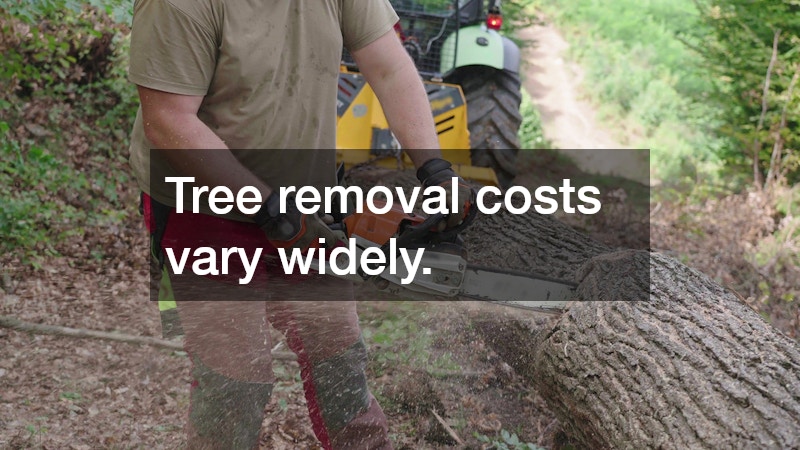
Tree removal costs vary widely depending on factors such as tree size, species, location, and the complexity of the job. Additional considerations include whether the tree is near structures, power lines, or difficult-to-access areas.
A professional company should provide a detailed estimate that breaks down labor, equipment, and disposal fees so you understand exactly what you are paying for.
Gathering multiple estimates allows you to compare not only price but also the scope of services offered. Ask each company to provide a written quote that specifies all tasks included. This helps you avoid underpriced bids that may cut corners or overpriced quotes that inflate routine services. Ensure the comparison considers factors such as debris removal, stump grinding, and cleanup.
Some tree removal companies may charge extra for emergency services, particularly for large or hazardous trees, or if access to your property is difficult. Hidden fees may also include permits, hauling, or specialized equipment. Clarify any potential additional charges before agreeing to the work to prevent surprises when the final bill arrives.
Is the Company Licensed and Insured?
A licensed tree removal company demonstrates compliance with local regulations and industry standards. Obtaining a license typically requires proof of experience, knowledge of proper safety practices, and adherence to state or municipal rules. Hiring a licensed company not only protects you from potential legal issues but also ensures that the work is performed to professional standards.
Insurance is equally essential for both your protection and that of the company’s employees. The company should carry general liability insurance to cover property damage and workers’ compensation to protect staff in case of accidents. It’s important to verify that the coverage is adequate to handle potential incidents, including damage to roofs, fences, landscaping, or other structures on your property.
Don’t rely solely on a company’s claim that they are licensed and insured. Request documentation and confirm it directly with the issuing authority. A reputable company will readily provide proof of licensing, current insurance certificates, and any relevant professional certifications, such as membership in industry associations, demonstrating their commitment to safety, accountability, and quality service.
What is the Company’s Safety Record?
Tree removal is inherently hazardous, so safety should be a top priority. Ask the company about their safety protocols, including the use of personal protective equipment (PPE), adherence to OSHA standards, and measures taken to secure the worksite. Companies that follow strict safety practices are less likely to experience accidents that could impact your property or neighborhood.
A company’s past safety record can reveal much about its professionalism and reliability. Inquire about any incidents or near-misses and how they were addressed. Companies with transparent reporting and proactive measures to prevent accidents demonstrate a commitment to safety and accountability.
Proper training is essential for anyone handling chainsaws, rigging, and heavy machinery. Confirm that the company’s team has certified training in tree removal techniques and safety procedures. Additionally, check that their equipment is modern, well-maintained, and appropriate for the scale of the job. Outdated or poorly maintained tools increase the risk of accidents and delays.
Hiring a tree removal company is a significant investment that requires careful consideration. By asking detailed questions about costs, verifying licensing and insurance, and reviewing a company’s safety records, you protect yourself from unexpected expenses, property damage, and potential liability. Companies that provide transparent estimates, maintain proper credentials, and adhere to rigorous safety standards are far more likely to deliver a smooth, efficient, and risk-free tree removal experience. Taking the time to do your homework upfront not only ensures that the process is cost-effective but also provides peace of mind, knowing the work will be handled professionally, safely, and in full compliance with regulations.