
When it comes to maintaining the integrity and longevity of your home, proper roof upkeep is essential. This guide will delve into key aspects of roof maintenance, answering common questions and helping you ensure that your roof remains in pristine condition for years to come. A well-maintained roof not only protects your home from external elements but also enhances its overall value.
1. Why Choose a Professional Roofing Company?
Benefits of Professional Services
Engaging a professional roofing company provides the assurance of quality workmanship performed by experienced experts. These companies are equipped with the necessary tools and knowledge to handle various roofing challenges. Additionally, professional roofing services often come with warranties, ensuring peace of mind for homeowners.
Residential roof repairs handled by experts can prevent further damage and save homeowners money in the long term. Hiring professional roof installers ensures that safety standards are met, reducing the risk of accidents. Furthermore, they can offer valuable maintenance tips to prolong the life of your roof.
How to Vet a Roofing Company
Vetting a roofing company requires a thorough assessment of their experience and credentials. Ensure that the company is licensed and insured, offering protection against potential liabilities. Checking reviews and getting referrals can provide insights into the quality of service offered by the company.
Requesting an estimate is crucial to understanding the scope and cost of the work required. Transparency is key; verify that the roofing company’s contracts outline all aspects of the job clearly. It’s important to establish a good working relationship with the roof contractor for hassle-free communication.

2. How Can a Local Roofing Contractor Benefit You?
Advantages of Hiring Locally
Hiring a local roofing contractor means personalized service and a deep understanding of the area’s climate and weather patterns. Local contractors are often more accessible, making them readily available for emergencies and regular maintenance. They are familiar with local suppliers and can source materials quickly and affordably.
Supporting local businesses boosts the local economy and promotes community well-being. A local roofing contractor is more likely to understand the unique challenges posed by the local environment. This intimate knowledge can lead to better material choice and installation practices suited to your area.
Understanding Local Building Codes
Local roofing contractors have a comprehensive understanding of regional building codes and regulations. This knowledge ensures that all work complies with the necessary legal and safety standards, preventing potential penalties or the need for future amendments. By aligning with local regulations, homeowners can safeguard their investments and avoid complications during future property transactions.
Working with contractors who understand local codes can also streamline the application and approval processes for any necessary permits. Their familiarization with municipal offices and processes can expedite paperwork and inspections. This proficiency helps in mitigating delays and ensuring the project progresses smoothly.
3. What to Expect from a Roofing Company Estimate?
Components of an Estimate
A comprehensive roofing company estimate should include several essential components. It generally outlines the scope of the project, listing all necessary materials and their costs. Labor charges, timelines for project completion, and potential contingencies should also be clearly detailed.
Understanding each element of the estimate helps homeowners make informed decisions. Homeowners are advised to scrutinize these estimates to ensure they align with their budgetary constraints. A detailed estimate can prevent misunderstandings and ensure a transparent financial agreement with the roofing company.
Choosing Between Estimates
When faced with multiple estimates, consider both cost and value. While a lower bid might be attractive, it’s crucial to assess the materials’ quality and the contractor’s reputation. Sometimes, investing a bit more in a reputable company can lead to better outcomes and fewer repairs in the future.
A careful comparison of estimates ensures that homeowners choose the best option for their specific needs. Looking for hidden fees or potential upcharges is essential in determining the true cost of each estimate. Consulting with the contractors about any unclear terms can help clarify offerings and determine the best fit for your project.
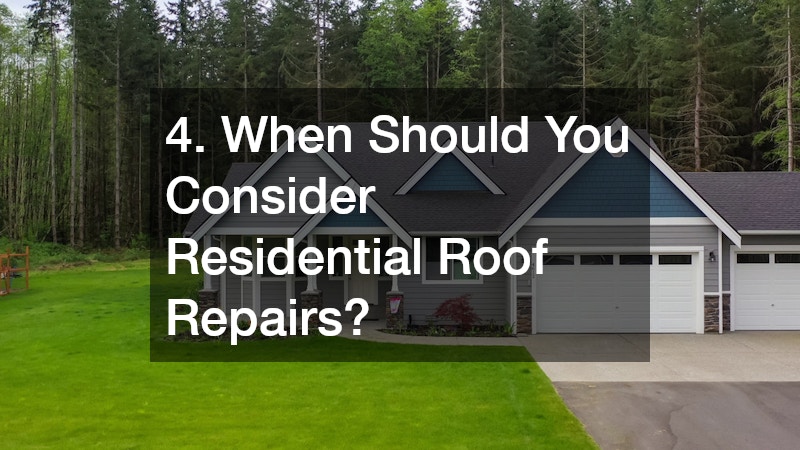
4. When Should You Consider Residential Roof Repairs?
Signs Your Roof Needs Repair
Regular inspections can pre-emptively catch signs of needed residential roof repairs. Look for visible damage like missing shingles, leaks appearing inside the home, or noticeable sagging. These signs can indicate underlying issues that, if left unaddressed, could lead to more severe and costly damage.
Water stains on ceilings and walls or signs of mold and mildew in the attic are other indicators of potential roofing issues. Promptly addressing these signs can prevent more extensive repairs or replacements later. Engaging a professional roofer for an assessment ensures any potential problems are addressed promptly and effectively.
Cost Factors in Roof Repairs
The cost of roof repairs can vary depending on several factors, including the extent of the damage and the roofing materials used. Repairs are generally more affordable than full roof replacements, emphasizing the importance of timely intervention. Warranties or guarantees provided by professional roof installers might also cover certain repair costs, helping reduce the financial burden.
Labor costs can vary significantly, making it essential to obtain multiple estimates to ensure competitive pricing. The complexity of the repair and accessibility of the damaged area can further impact the overall expense. Proactively budgeting for regular maintenance can also mitigate costs over time.
5. What are the Advantages of Metal Roofing?
Durability and Longevity of Metal Roofs
Metal roofing offers unmatched durability, making it an excellent long-term investment for homeowners. These roofs can withstand harsh weather conditions, including heavy snow, high winds, and hail, without deteriorating. Many metal roofs have a lifespan exceeding 50 years, which significantly outlasts traditional roofing materials.
The longevity of metal roofing can result in long-term cost savings, reducing the need for frequent repairs or replacements. Additionally, metal roofing services often provide warranties that extend up to several decades. This kind of assurance offers homeowners a high return on investment through reduced future expenditures on upkeep.
Energy Efficiency of Metal Roofing
Metal roofs are highly energy-efficient, reflecting solar radiant heat instead of absorbing it. This reflection reduces cooling costs significantly during hot months, leading to lower utility bills. By maximizing energy efficiency, metal roofing supports sustainable living and can increase a home’s energy rating.
Homeowners can also choose from various eco-friendly coatings for their metal roofs, further enhancing their energy efficiency. This additional customization can adapt a metal roof to suit any climate or aesthetic preference. Overall, the energy efficiency of metal roofing is a key reason why many homeowners are opting for this sustainable option.
6. What to Look for in a Roof Contractor?
Credentials and Experience
When selecting a roof contractor, it’s vital to consider their credentials and experience. Contractors with extensive experience are more likely to deliver efficient and high-quality work. Credentials such as licensing and certifications indicate that the contractor meets industry standards and regulations.
Checking references and reviews can provide insight into a roof contractor’s past projects and client satisfaction. An experienced contractor will also carry insurance to protect both parties from potential liabilities. This due diligence in selecting a contractor ensures that the project is completed successfully and safely.
Contract Essentials
A well-outlined contract is essential when hiring a roofing company to ensure all parties are clear about their obligations. Key elements include project timelines, payment schedules, and a detailed description of materials and services. Establishing these terms beforehand helps prevent misunderstandings and disputes.
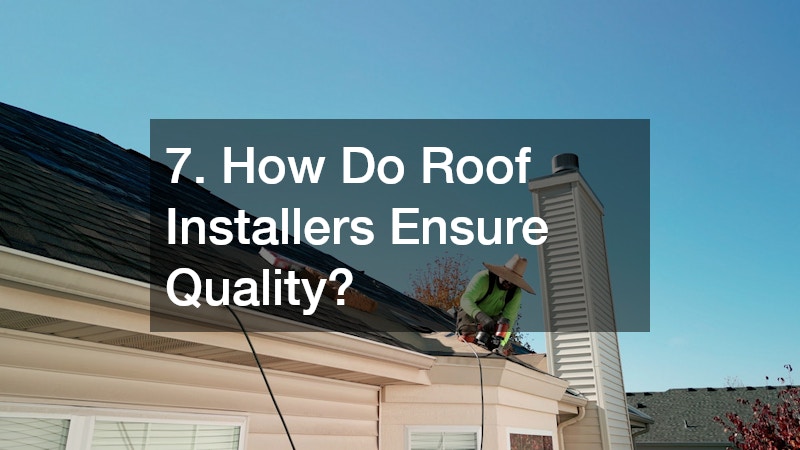
7. How Do Roof Installers Ensure Quality?
Installation Techniques
Professional roof installers employ advanced installation techniques to ensure the longevity and integrity of the roof. They follow industry best practices and use high-quality materials specifically suited for each roof type. Proper installation reduces the risk of leaks and other potential issues that could arise from poor craftsmanship.
These techniques also involve layering and sealing innovations that provide waterproofing and enhance thermal insulation. By staying abreast of the latest technological advances, roof installers can offer cutting-edge solutions to their clients. This dedication to quality installation serves as a safeguard for the homeowner’s investment.
Quality Control Measures
Rigorous quality control measures are essential in ensuring the success of any roofing project. These measures typically involve multiple inspections throughout the installation process, checking for adherence to safety codes and standards. Final inspections help guarantee that all components meet the predetermined specifications and quality benchmarks.
Continuous training and assessment of the installation crew also play a role in maintaining high workmanship standards. Roof installers often undergo certification programs to stay informed of the latest industry developments. Quality control not only ensures customer satisfaction but also helps in building a strong reputation for the roofing business.
8. When to Contact a Roofer for Maintenance?
Preventative Roof Care
Preventative roof care is pivotal in extending the lifespan of a roof and maintaining its functionality. Homeowners should schedule regular inspections to identify potential issues before they escalate into significant problems. These inspections can uncover issues like clogged gutters, damaged shingles, or deteriorating flashing, which can be promptly addressed.
Engaging a professional roofer for regular maintenance tasks can prevent expensive repairs and prolong the need for a complete roof replacement. Such proactive measures also ensure the roof performs efficiently year-round. In turn, this can contribute to energy savings and positively impact the overall value of the home.
9. How to Grow Your Roofing Business?
Marketing Strategies for Roofers
Implementing effective marketing strategies is key to growing a roofing business. Utilizing online platforms such as social media and search engine advertising can significantly increase visibility and attract new clients. Engaging content, targeted ads, and SEO optimization are powerful tools in drawing potential customers to your company.
Networking within the industry and community can also generate positive word-of-mouth and referrals. Consider partnerships with local businesses or participation in home improvement expos to reach a broader audience. Customizing marketing efforts to emphasize unique selling points or specialties can set a roofing business apart from its competitors.
10. Are Metal Roofing Services Right for Your Home?
Assessing Home Compatibility
Determining if metal roofing services are suitable for your home involves assessing several compatibility factors. Consider your home’s architectural style and how a metal roof would integrate with its overall aesthetic. Metal roofing can accompany a variety of designs, from modern to traditional, providing a versatile appeal.
Cost-Effectiveness Analysis
Conducting a cost-effectiveness analysis can determine if the benefits of metal roofing outweigh the initial investment. While metal roofing may have a higher upfront cost compared to other materials, its durability caters to lower maintenance and repair expenses. Additionally, its energy efficiency contributes to long-term savings on utility bills.
Consider the added value a metal roof provides in terms of increased property value and improved curb appeal. Over time, the return on investment for metal roofing is typically high due to reduced ongoing costs. Collaborating with a roofing contractor can help quantify these benefits in relation to your particular circumstances.

11. What Innovations Are Happening in the Roofing Industry?
Technological Advances
The roofing industry has witnessed notable technological advances, including the development of smart roofing systems. These innovations incorporate sensors to monitor the health and performance of a roof, alerting homeowners to potential issues early. Such technology helps optimize maintenance schedules, improving efficiency and effectiveness in upkeep.
Sustainable Roofing Solutions
Sustainable roofing solutions are increasingly popular as homeowners strive for eco-friendlier choices. Green roofs and solar shingles are two options that incorporate environmental considerations into their design and function. These solutions not only reduce carbon footprints but also offer potential energy savings for homeowners.
12. How to Ensure Longevity of Your Roof?
Material Selection Impacts
The selection of materials plays a crucial role in ensuring the longevity of your roof. High-quality materials better withstand environmental stressors, resulting in fewer repairs and replacements over time. Engaging with a reputable roofing company that provides advice on the best materials can lead to substantial long-term savings.
Different materials also offer varying levels of energy efficiency and aesthetic appeal. Tiles, shingles, and metal roofing each carry unique benefits and drawbacks concerning durability and maintenance needs. Collaborating with a knowledgeable roof contractor aids in selecting the optimal material for your home and lifestyle.
Maintaining your roof is a vital aspect of home maintenance that protects your investment and enhances its value. By understanding the complexities of roofing and partnering with the right professionals, you can ensure your roof stands strong for years to come. Investing in quality repairs and regular maintenance not only preserves the integrity of your roof but also contributes to peace of mind.
