Every homeowner eventually experiences that sinking feeling: a sudden leak spreading across the ceiling, a garage door refusing to open before work, or an air conditioner failing during the hottest week of summer. Emergency repairs rarely happen without warning. In many cases, the signs were there for weeks or even months, quietly building into a larger and more expensive problem.
Many homeowners assume maintenance requires expert-level knowledge or endless free time. In reality, consistency matters more than perfection. Small habits repeated throughout the year can dramatically reduce the risk of emergency breakdowns, structural damage, and sudden system failures.
Building a Seasonal Routine That Prevents Expensive Surprises

Homes change with the seasons. Heat causes materials to expand, cold temperatures create cracks, and storms expose weaknesses that may not have been visible before. One of the most effective ways to avoid emergencies is to inspect the property as weather conditions shift throughout the year.
Some homeowners wait until something breaks before walking around their property with a critical eye. That approach often leads to preventable damage. Instead, seasonal inspections should become part of a regular household rhythm.
Spring is usually the best time to look for moisture-related damage left behind by winter weather. Summer inspections often focus on cooling systems and outdoor areas, while fall is ideal for preparing heating systems and drainage before colder temperatures arrive.
One overlooked area is any outdoor enclosure attached to the property. Exposure to moisture, sun, and fluctuating temperatures can gradually weaken structural materials. Small cracks, rust spots, or loose panels may seem harmless initially, but they often worsen quickly during storms or periods of heavy humidity.
A homeowner who notices early signs of deterioration can usually solve the issue with minor repairs or resealing. Ignoring those warning signs, however, can eventually lead to structural instability or water intrusion that affects nearby sections of the home.
Routine visual checks do not need to be complicated. A slow walk around the property every few months can reveal:
- Standing water near the foundation
- Peeling paint or warped siding
- Loose fasteners or panels
- Cracks around windows and doors
- Areas where moisture consistently collects
The goal is not to identify every tiny imperfection. Instead, homeowners should look for changes. A home that is inspected regularly becomes easier to monitor because problems are spotted while they are still manageable.
Addressing Tree Problems Before They Become Dangerous
Trees add shade, beauty, and value to a property, but they can also create serious hazards when neglected. Branches hanging over the roof may scrape shingles during windy conditions, while weak limbs can fall unexpectedly during storms.
One homeowner might ignore a leaning branch for years without consequences. Another may wake up after a thunderstorm to find shattered windows or roof damage caused by that same issue. The difference often comes down to timing and routine care.
Professional tree trimming plays an important role in preventive maintenance because it removes unstable or overgrown branches before they cause damage. It also improves airflow and reduces the likelihood of disease spreading throughout the tree.
Homeowners sometimes delay trimming because the trees still “look healthy.” Unfortunately, internal decay is not always visible from the ground. Cracks in large limbs, hollow sections, or sudden leaning can all signal deeper structural weakness.
In some situations, maintenance goes beyond trimming. Dead or severely compromised trees may require full tree removal before they collapse during severe weather. Waiting too long increases the risk of property damage, injuries, and emergency cleanup costs.
A good rule is to pay attention after major storms. If branches suddenly appear bare, cracked, or unusually heavy on one side, the tree may already be stressed. Likewise, roots lifting sections of sidewalks or driveways can indicate instability underground.
Preventive care becomes much cheaper than emergency recovery once a tree actually falls. Storm-related removal often involves higher labor costs, urgent scheduling, and additional repairs to surrounding structures.
Monitoring Mechanical Systems Before They Fail Unexpectedly
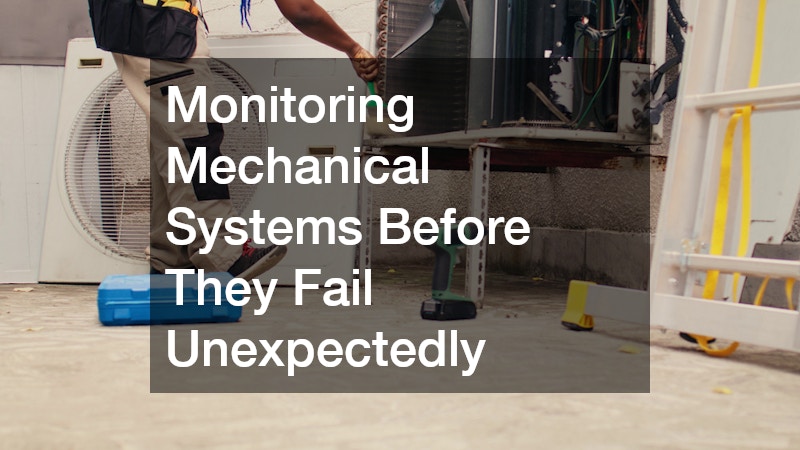
Garage doors are one of the most frequently used systems in a home, yet they are also one of the most neglected. Many homeowners do not think about maintenance until the door suddenly refuses to open or crashes shut unevenly.
The problem is that garage systems wear down gradually. Springs weaken, tracks shift, rollers loosen, and openers strain harder over time. These changes usually produce small warning signs long before complete failure occurs.
A homeowner may hear grinding sounds for months but dismiss them because the door still works. Another may notice slight delays when opening the garage but continue using the system daily without inspection.
Routine garage door service helps identify those issues before they become emergencies. Lubricating moving components, tightening hardware, and checking alignment can significantly extend the lifespan of the entire system.
Simple monthly observations can make a difference:
- Watch whether the door opens evenly
- Listen for new noises during operation
- Check cables for fraying or tension changes
- Test the automatic reverse feature
- Inspect weather seals near the bottom edge
Ignoring these details creates unnecessary risk. A broken spring can leave a vehicle trapped inside the garage, while damaged tracks may cause the door to fall unexpectedly.
Preventive maintenance is especially important before seasonal temperature changes. Metal components expand and contract throughout the year, which can accelerate wear on already weakened parts.
Reducing Fire Risks Through Consistent Heating Maintenance
Heating systems often receive attention only when temperatures drop. Unfortunately, that delay can create dangerous conditions inside the home.
Chimneys, vents, and exhaust pathways collect debris gradually. Creosote buildup, animal nests, moisture intrusion, and blockages can all interfere with proper ventilation. Over time, these problems increase the risk of smoke damage, poor indoor air quality, and house fires.
A professional chimney sweep removes hazardous buildup that homeowners cannot easily inspect themselves. Beyond cleaning, inspections can also uncover cracks, deteriorating mortar, or hidden leaks around the chimney structure.
Some warning signs appear subtly:
- Smoke entering the room during fireplace use
- Unusual odors near vents
- Black residue around openings
- Difficulty starting or maintaining fires
- Excess moisture near masonry surfaces
One family may notice a faint smoky smell every winter and assume it is normal. Another may ignore small pieces of crumbling brick near the fireplace. These seemingly minor issues can eventually lead to expensive structural repairs or dangerous fire conditions.
Preventive care is especially valuable because chimney damage often develops slowly and out of sight. Water intrusion, for example, may weaken masonry for years before visible cracking appears indoors.
Routine inspections reduce uncertainty. Instead of waiting for obvious failure, homeowners gain a clearer understanding of how safely and efficiently their heating systems are operating.
Keeping Water Features Functional Throughout the Year

Water systems require more attention than many homeowners realize. Pools and spas operate through a combination of pumps, heaters, filters, electrical components, and plumbing connections. Even small maintenance delays can trigger larger equipment failures.
One common mistake is assuming water clarity reflects system health. Clear water does not always mean equipment is functioning properly. Pumps may already be straining, filters may be partially clogged, or minor leaks may be developing behind the scenes.
Regular hot tub service helps identify these problems early. A technician may detect worn seals, declining pump performance, or electrical irregularities long before the homeowner notices visible symptoms.
Water chemistry matters as well. Poor balance accelerates corrosion and damages sensitive components. Over time, neglected water conditions shorten the lifespan of heaters, jets, and filtration systems.
Pools present similar challenges. Professional pool services often focus not only on cleaning but also on preventing larger operational issues. Consistent maintenance helps preserve circulation systems, protect surfaces, and reduce algae growth that can overwhelm equipment.
Unlike sudden emergencies caused by storms or accidents, water-system failures usually develop gradually. A small leak under a pump housing may waste water for months before finally causing complete motor burnout.
Homeowners who schedule inspections consistently often spend less overall because minor fixes remain manageable. Replacing a worn gasket costs far less than rebuilding an entire filtration system after prolonged neglect.
Improving Indoor Comfort Before Major Breakdowns Occur
Air conditioning systems rarely stop working without warning. More often, they decline gradually while homeowners adjust to the changes without realizing something is wrong.
A room that feels slightly warmer than usual. Rising energy bills. Weak airflow from certain vents. These symptoms often appear long before total failure occurs.
Routine air conditioning repair and maintenance help technicians identify strain within the system before critical components fail. Refrigerant levels, electrical connections, airflow restrictions, and thermostat performance all influence how hard the system must work.
One of the simplest preventive tasks involves changing filters regularly. Dirty filters restrict airflow, forcing the system to run longer and harder to maintain indoor temperatures. Over time, that additional strain increases wear on motors and compressors.
Preventive care also improves efficiency during periods of extreme heat. Systems that receive regular tune-ups generally cool homes more consistently and consume less energy.
Some homeowners postpone inspections because the unit is technically still functioning. Unfortunately, delayed maintenance often leads to emergency failures during peak summer temperatures, when repair scheduling becomes more difficult and expensive.
Paying attention to smaller warning signs can help homeowners avoid those stressful situations:
- Unusual cycling patterns
- Weak airflow
- Warm air from vents
- Sudden increases in humidity indoors
- Strange noises during operation
Consistent maintenance protects both comfort and long-term equipment performance.
Preventing Hidden Damage From Pests and Moisture
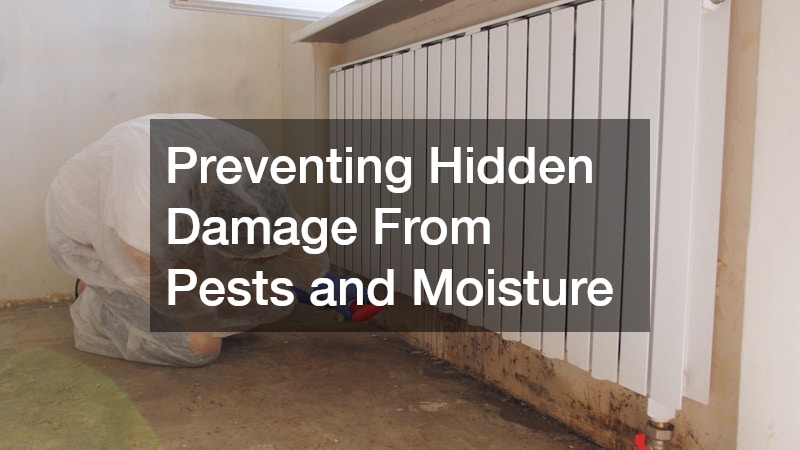
Some of the most expensive home repairs begin with problems homeowners never see directly. Pests often enter through tiny openings near foundations, vents, utility lines, or roof edges. Once inside, they can damage insulation, wiring, drywall, and structural materials before visible evidence appears.
Moisture makes these problems worse. Damp crawl spaces, leaking gutters, or poorly ventilated attics create ideal conditions for insects and rodents seeking shelter.
Working with a local pest control company allows homeowners to identify vulnerabilities before infestations spread. Preventive inspections often reveal activity in areas most people rarely examine, including crawl spaces, wall voids, and attic corners.
Many homeowners wait until they see insects indoors before taking action. By that point, the infestation may already be well established.
Warning signs sometimes appear indirectly:
- Small piles of debris near walls
- Hollow-sounding wood
- Scratching noises at night
- Musty odors in enclosed areas
- Unexplained increases in humidity
Preventive maintenance also involves controlling the conditions that attract pests in the first place. Trimming vegetation away from the home, sealing cracks, and correcting drainage problems all reduce the likelihood of infestations.
One overlooked leak beneath a sink can eventually attract insects, weaken cabinetry, and create mold problems simultaneously. These issues rarely remain isolated for long.
Protecting Exterior Surfaces From Long-Term Deterioration
Exterior surfaces constantly absorb dirt, moisture, mold, pollen, and pollution. Left untreated, this buildup gradually weakens materials and shortens their lifespan.
Many homeowners underestimate how much damage accumulates quietly over time. A stained driveway or discolored siding may appear cosmetic initially, but trapped moisture often contributes to cracking, rot, and surface breakdown beneath the visible grime.
Routine pressure cleaning helps remove contaminants before they permanently damage concrete, wood, brick, and siding materials. Cleaning also makes it easier to spot developing issues such as cracks or water intrusion that might otherwise remain hidden.
Not every surface should be cleaned aggressively, however. Incorrect pressure settings can damage paint, force water into vulnerable gaps, or erode softer materials.
Homeowners who attempt high-pressure cleaning without proper technique sometimes create problems they were trying to prevent. Water driven behind siding, for example, may contribute to hidden mold growth inside walls.
Professional cleaning services understand how to adjust methods based on the material being treated. Delicate surfaces require different approaches than heavily stained concrete or stone.
Preventive cleaning is especially important in humid climates where algae and mold grow rapidly. Surfaces exposed to constant moisture deteriorate much faster when buildup remains untreated.
Regular exterior maintenance also improves curb appeal, which helps preserve overall property value over time.
Creating Habits That Support Long-Term Home Reliability
Preventive maintenance succeeds when it becomes routine rather than reactive. Homeowners do not need to inspect every corner of the property constantly, but consistency matters.
Small habits often create the greatest long-term impact:
- Replacing filters on schedule
- Checking for leaks after storms
- Monitoring unusual sounds or odors
- Cleaning drainage areas regularly
- Scheduling inspections before seasonal changes
What separates well-maintained homes from neglected ones is rarely perfection. Instead, it is attentiveness. Homeowners who respond early to small warning signs usually avoid the stress and expense associated with emergency repairs.
A loose branch, clogged vent, minor leak, or strange noise may not seem urgent today. Left alone, though, those small issues tend to compound quietly until they become disruptive and expensive.
Routine maintenance protects more than the physical structure itself. It preserves comfort, safety, efficiency, and peace of mind. Homes inevitably experience wear over time, but thoughtful upkeep keeps ordinary aging from turning into avoidable emergencies.
