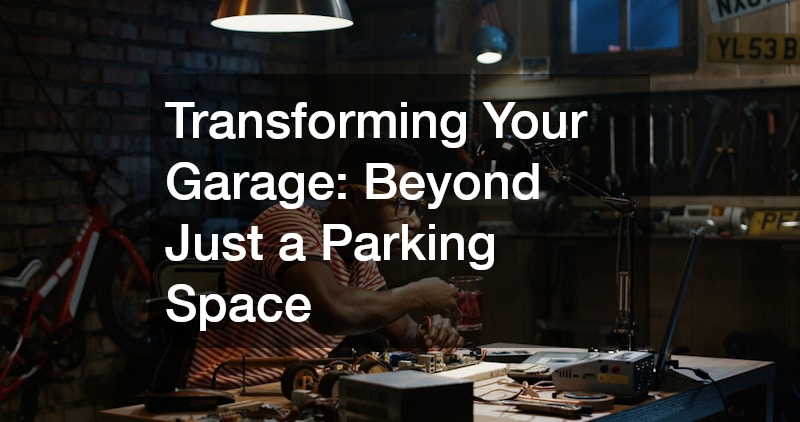
For most homeowners, the garage exists in a kind of limbo. It’s too valuable to ignore but too disorganized to actually use. Tools pile up in corners, seasonal decorations colonize shelving units, and the car that supposedly lives there hasn’t touched the floor in years. But this overlooked square footage has real potential. With the right approach, your garage can become one of the most functional, valuable, and enjoyable spaces in your home. Whether you’re planning a home gym, a workshop, a creative studio, or simply a well-organized storage system that finally makes sense, the steps below will get you there with fewer surprises and better results.
Assessing Structural Integrity and Potential

Before you spend a dollar on finishes or fixtures, you need an honest assessment of what you’re working with. Start by examining the foundation for cracks, uneven settling, or moisture intrusion. Look at the framing for signs of wood rot, pest damage, or inadequate load-bearing support, especially if you’re planning to add overhead storage or a loft-style workspace above.
Beyond the structure itself, zoning and permitting will shape what’s possible. Many municipalities require permits for converting garage space into habitable square footage, and some have restrictions on full ADU conversions. It’s worth a quick call to your local planning department before investing in design plans. For homeowners involved in new home construction, this is the ideal stage to collaborate with your builder on the garage layout. Planning electrical panels, plumbing rough-ins, and insulation during the blueprint phase can save significant money compared to retrofitting those systems later.
Key structural questions to answer before moving forward:
- Is the slab level and free of significant cracking?
- Does the existing framing meet local code for the intended use?
- Are there existing electrical circuits, and are they adequate for your plans?
- What is the ceiling height, and does it support your storage or workspace goals?
Opening the Gateway to Your New Room
The garage door is the largest moving component of your home, and it has an outsized effect on both energy efficiency and usability. An outdated or poorly insulated door will undermine every other improvement you make, turning a climate-controlled workspace into an uncomfortable box that’s freezing in winter and stifling in summer.
Working with a reputable garage door company is one of the smarter early investments in this process. A qualified professional can assess the R-value needs of your specific climate, recommend the right insulation rating, and ensure the door operates safely and correctly for a converted or heavily used space. Beyond insulation, door style matters too. Carriage-style doors offer curb appeal without sacrificing function. Side-sliding and vertical-lift configurations can free up ceiling space for overhead storage or equipment. Your choice here should reflect both how the space will be used and how the exterior of the home will look once the project is complete.
Restoring and Prepping Surfaces
Decades of use leave a mark. Oil stains, rust on metal fixtures, oxidation on structural components, and layers of old paint are all common findings in a garage that’s been primarily used for storage or as a workshop. Getting these surfaces clean and ready is not optional; it’s the foundation for everything else.
For particularly stubborn buildup on metal components, antique fixtures, or structural steel, a professional sandblasting service can strip corrosion and old coatings down to bare material in a fraction of the time it would take with manual methods. This is especially valuable if you’re working with vintage workbenches, steel beams, or custom metalwork that you want to restore and repurpose rather than replace. Once blasted, those surfaces can be primed, painted, or sealed cleanly without adhesion failures.
Concrete prep is equally important. Grind down any high spots, fill major cracks with a hydraulic cement or polyurethane filler, and consider a degreaser treatment for oil-soaked areas. Skipping this step will compromise every floor finish you apply over it.
High-Performance Flooring Solutions
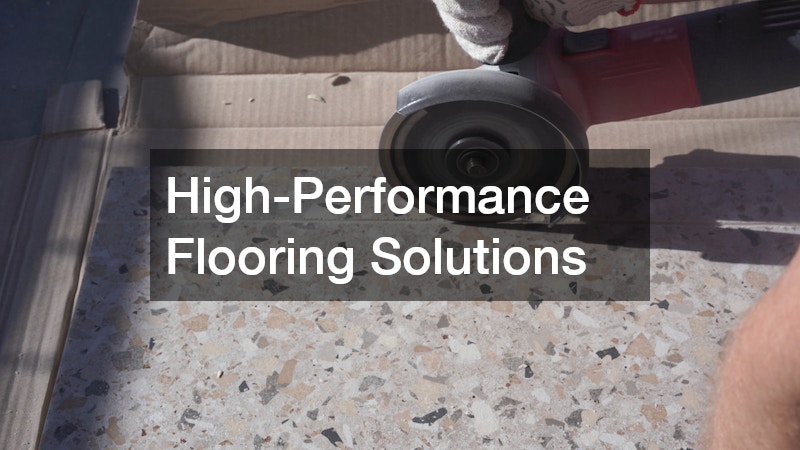
Bare concrete is functional, but it’s also porous, dusty, and prone to staining. Once moisture and dust are factored in, it becomes a liability in any space where you’re spending real time. Upgrading the floor is one of the highest-impact changes you can make to both the look and livability of the space.
An epoxy flooring system is the go-to solution for good reason. It creates a non-porous, chemical-resistant surface that bonds directly to the concrete and can handle everything from dropped tools to vehicle traffic. Full-flake systems add texture and grip, while metallic finishes deliver a sleek, polished aesthetic closer to a high-end showroom. Either way, the finished surface is easy to clean, visually cohesive, and significantly more durable than anything sitting on top of a bare slab.
Beyond epoxy, a quality floor coating seals the concrete against the “dusting” phenomenon, where the surface gradually degrades and releases fine particulate into the air. This is particularly relevant for garage gyms, workshops, or any space where air quality and cleanliness matter. Consider these factors when choosing your floor finish:
- Slip resistance rating, especially for wet or humid climates
- Chemical resistance if automotive work or painting is part of the plan
- UV stability if the space receives direct sunlight
- Cure time and how it fits your project timeline
Intelligent Storage and Vertical Organization
The single fastest way to make a garage feel larger is to move everything off the floor. When tools, bins, and equipment pile up horizontally, the space shrinks visually and practically. Shifting the organizational model to vertical not only opens up the floor plan but also makes inventory easier to manage and access.
Installing a custom garage cabinet system brings order to the chaos without sacrificing accessibility. High-quality cabinetry hides visual clutter while keeping frequently used tools within arm’s reach, and it gives the space a finished, intentional look that bare shelving simply can’t match. Pair cabinets with overhead ceiling racks for seasonal items and long-term storage, and use slatwall panels on open wall sections for flexible organization that can evolve as your needs change.
A few principles that make a storage system actually work:
- Group items by frequency of use, daily-access items at eye level, seasonal items overhead
- Label everything, especially closed cabinets and opaque bins
- Leave margin in the layout for items you’ll acquire after the renovation
- Anchor all heavy storage units into studs or use floor-mounted systems for added stability
Creating a Green Hub for Outdoor Living
For homeowners who spend significant time gardening, landscaping, or managing outdoor spaces, the garage can become one of the most practical investments on the property. A well-designed outdoor living hub centralizes every tool, supply, and workspace you need, keeps the mess contained to one place, and creates a workflow that makes weekend projects feel less like logistical puzzles and more like enjoyable routines.
Storage organization for this zone deserves the same intentional approach as any other part of the garage. Properly storing your garden supplies in a climate-stable environment solves practical problems that most gardeners eventually run into. Seed packets exposed to freeze-thaw cycles or humidity spikes suffer dramatically reduced germination rates. Fertilizers and soil amendments can clump, separate, or degrade when stored in a shed with no insulation. Moving these items into a climate-controlled garage extends their usable life and protects the money you’ve already spent on them.
For tool storage specifically, the approach should prioritize both protection and accessibility:
- Hang long-handled tools vertically on wall hooks or a dedicated rack rather than leaning them against a wall; this prevents handle warping and keeps the floor clear
- Store pruning shears, trowels, and hand tools in a dedicated drawer or wall-mounted holder with individual slots so blades aren’t contacting each other
- Coat metal tool heads lightly with a rust-inhibiting oil at the end of each season before storing, particularly in humid climates
- Keep a designated spot for gloves, kneepads, and safety glasses at the entrance point of the zone so they’re grabbed automatically on the way in
Protecting Your Investment from Intruders

A renovated garage is a significant investment, and like any investment, it needs protection. The problem is that garages offer more entry points for pests than most interior spaces. Gaps around door thresholds, utility penetrations, HVAC lines, and the transition between the slab and wall framing are all common entry points for rodents and insects.
Partnering with a local pest control company for a preventative perimeter treatment is a smart move before or shortly after the renovation is complete. Many pest professionals offer ongoing monitoring plans that provide regular inspections and treatment if needed, which is far less disruptive and expensive than addressing an active infestation after the fact. In addition to professional treatment, seal any visible gaps with steel wool and expanding foam, install a quality door threshold seal, and consider a smart sensor system that can alert you to unusual activity in the space.
Sustainable Disposal and Resource Management
A full garage cleanout generates a surprising volume of material, and how you handle that material matters both environmentally and financially. Not everything destined to leave the garage is waste. A thoughtful sorting process can divert significant material from the landfill and, in some cases, generate a small return.
Taking old appliances, copper pipe from plumbing updates, steel shelving, or broken outdoor equipment to a scrap metal recycling facility puts money back in your pocket and keeps material out of the waste stream. Copper, aluminum, and steel all carry real value by weight, and a full renovation cleanout can yield more than most homeowners expect. Beyond scrap, usable items — old tools in working condition, furniture, hardware — can be donated to local Habitat for Humanity ReStores, community tool libraries, or similar organizations.
Funding and Valuing Your Home Improvement
A full-scale garage transformation is a meaningful financial investment, and understanding both the cost and the long-term return matters for making smart decisions about scope and phasing. High-end garage conversions consistently add appraised value to a property, particularly in markets where livable square footage is at a premium.
If the project scope exceeds what cash on hand can comfortably cover, speaking with a local mortgage lender about a home equity line of credit is worth the conversation. A HELOC allows you to borrow against the equity you’ve already built, typically at lower interest rates than personal loans or credit cards. The interest may also be tax-deductible depending on how the funds are used, though that’s a question for a tax professional. Factor the projected value increase into the equation: a well-executed garage conversion often returns a substantial portion of its resale cost, especially if it adds functional square footage that appears in the property listing.
Final Touches for a Seamless Transition

With structure, surfaces, flooring, and storage addressed, the finishing details are what transform a renovated garage into a room you actually want to spend time in. Lighting is the most commonly underestimated element. Standard overhead fluorescents create flat, harsh light that reinforces the industrial feel. LED panel lights combined with strategic task lighting for work surfaces create a layered effect that makes the space feel both functional and inviting.
Climate control deserves equal attention. A ductless mini-split system is the gold standard for a converted garage: efficient, quiet, capable of both heating and cooling, and installable without tying into your home’s existing HVAC system. For lower-budget solutions, a high-quality portable unit can manage temperature adequately in a well-insulated space, though it won’t match the performance of a dedicated system.
Consider how the garage integrates with your home’s smart ecosystem. Smart outlets, Wi-Fi-connected lighting, a connected thermostat, and a video doorbell or camera system can all be managed from the same app as the rest of your home, giving the space a cohesive, modern feel.
A well-executed garage transformation does more than add square footage. It changes how you experience your home on a daily basis. The cluttered, anxiety-inducing room that once made you avoid the interior door becomes a space you seek out, whether that’s for a morning workout, a focused work session, a weekend project, or simply a more organized life. The investment of time, planning, and resources pays off not just at resale, but every single day you use the space you’ve reclaimed.
