Why is Roof Age Important?
Understanding Lifespan of Roofing Materials
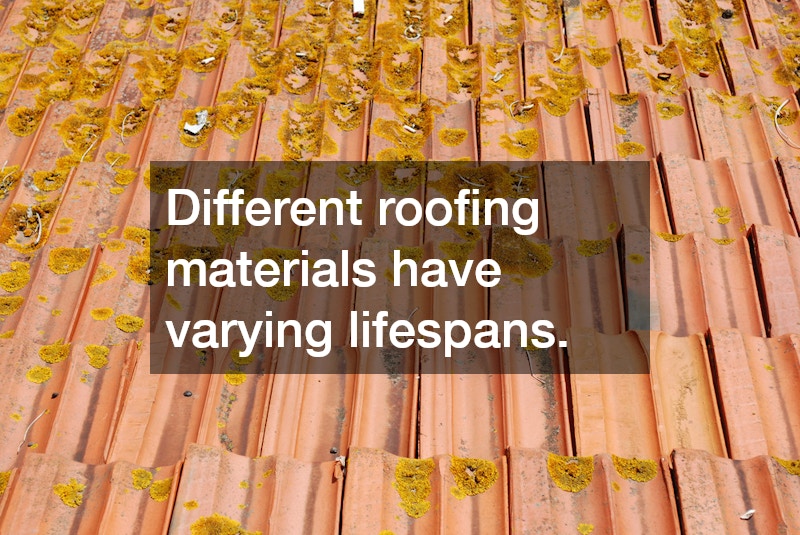
Different roofing materials have varying lifespans. For instance, asphalt shingles typically last 20 to 25 years, while metal roofs can endure for 40 to 70 years.
By understanding these timeframes, homeowners can plan for timely replacements, avoiding unexpected failures.
The age of your roof is a critical factor in determining its overall health and longevity. An aged roof is more susceptible to elements such as rain, hail, and wind, which can expedite deterioration. Monitoring the age of your roof in relation to its material can provide insights into when to start budgeting for a replacement.
Assessing the Condition of an Aging Roof
An older roof may start showing signs of deterioration, such as missing shingles or leaks, indicating a need for replacement. Inspections can reveal the extent of the wear and tear, providing guidance on the urgency of a roof update. Regular check-ups can prevent potentially costly water damage or structural issues stemming from prolonged neglect.
Evaluating the condition of your roof is crucial in making an informed replacement decision. An aging roof with visible sagging or saggy spots often signals weakened support structures. Regularly checking for these signs can help homeowners take appropriate action before minor issues escalate into significant repairs.
How to Identify Roof Damage?
Signs of Water Damage
Water stains on ceilings and walls or leaks in the attic are clear indicators of roof damage that may require immediate attention. These signs often point to underlying issues with the roof’s protective barriers. Early detection of water entry can mitigate extensive internal damage that can become costly.
Addressing water damage promptly can safeguard your home from mold and mildew growth. These fungi thrive in moist environments, posing health risks to your family. Preventing moisture buildup can significantly contribute to maintaining a safe and healthy living environment.
Visible Exterior Damage
Cracked, curling, or missing shingles, as well as sagging areas on the roof, are telltale signs of damage. These issues not only compromise aesthetic appeal but also structural integrity. Immediate corrective measures are essential to avoid further deterioration and potential roof failure.
Visible exterior damages such as algae growth or granule loss in shingles can signify deeper roofing problems. These occurrences suggest a breakdown in the roof’s material or protective coating. Maintaining an eye on exterior changes can guide contingency plans for repair or replacement.
External inspections should extend beyond shingles to include flashing and other structural components. Damaged or misaligned flashing can permit water penetration, causing irreparable harm.
What Are the Risks of Delaying Roof Replacement?
Increased Repair Costs
Neglecting a damaged roof can lead to more expensive repairs in the future as the damage worsens. Delays in addressing small issues can cumulatively amplify, necessitating large financial outlays. Proactive maintenance and timely interventions can help avoid burdensome expenses.
As roof damage escalates, simple repairs can spiral into major projects requiring substantial investments. Roof replacements are significantly more cost-effective when handled promptly. Financially, it’s prudent to address warning signs at the earliest, ensuring cost efficiency and peace of mind.
A decline in roof integrity can impact other areas of your home, such as insulation and ventilation systems. Delayed interventions can incur charges from internal damage repair, adding to the repair burden.
Potential Safety Hazards
A damaged roof can pose significant safety risks, including structural instability and health hazards from mold or mildew growth. Falls or injuries can occur due to decayed structures, affecting occupant safety severely. Addressing roof deterioration can prevent unforeseen accidents or health issues.
The compromised safety of roofs also undermines their ability to withstand natural disasters. Debris and water influx during storms can cause more damage, putting entire families at risk. Regular inspections and repairs are essential in maintaining a safe dwelling environment for all occupants.
Accrued damage from a failing roof can render homes uninhabitable due to potential collapses or toxic mold exposure. By investing in timely roof replacements, homeowners can avert dire health implications for their families. Sound roofing systems play a crucial role in safeguarding property and personal well-being.